peptides
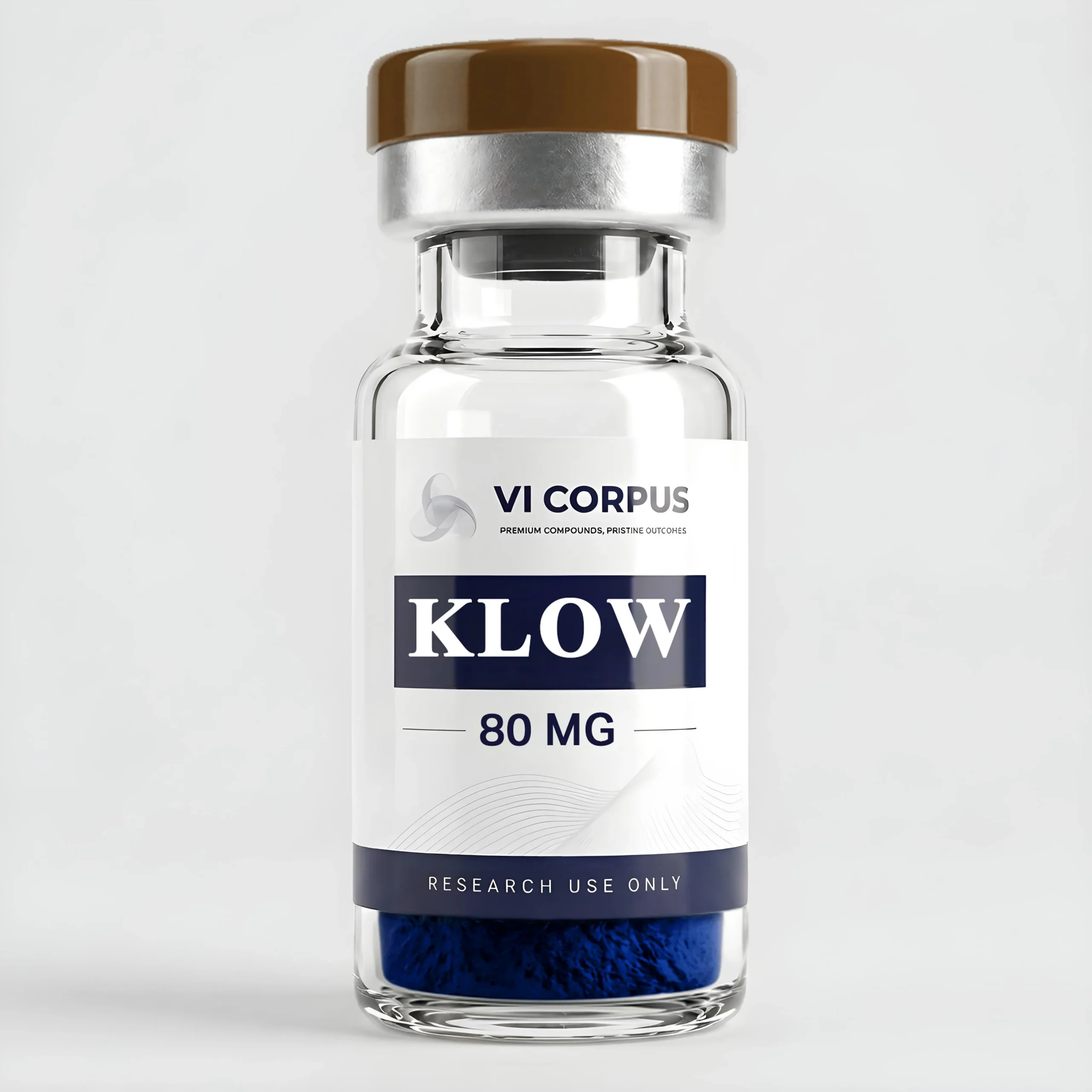
KLOW 80mg
12 sold this week
Select a bundle above to unlock your discount
About this product
KLOW 80 mg — Blend Overview
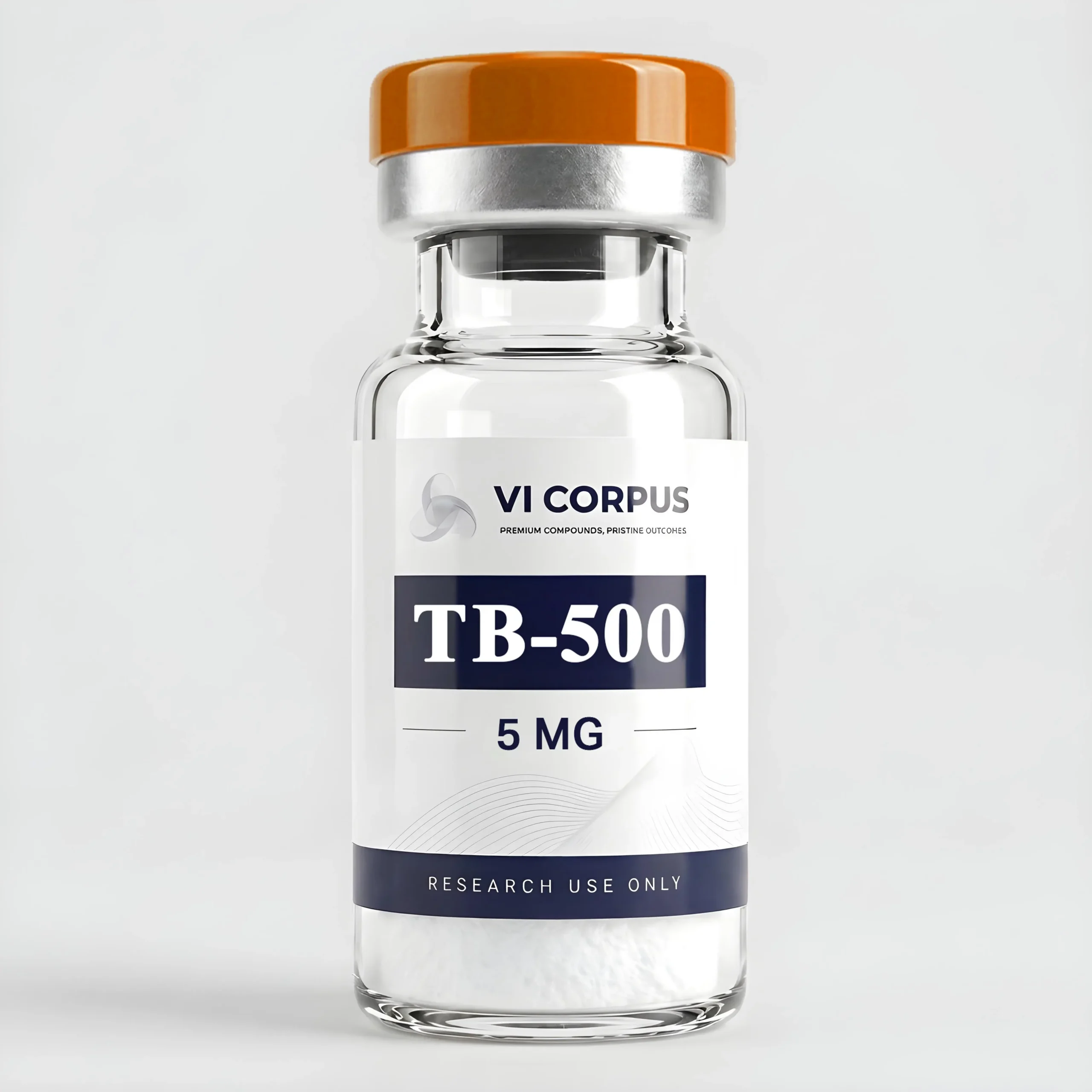
KLOW is a four-component blend containing GHK-Cu, BPC-157, full-length thymosin beta-4, listed as TB-500, and KPV. The formulation combines 50 mg of GHK-Cu with 10 mg of each remaining component, giving a total declared compound content of 80 mg.
KLOW is the formulation name rather than the name of a single chemical substance. Its composition is described through the individual ingredients, their quantities and their respective chemical identifiers.
Structure and Composition
The four components have different peptide structures. GHK-Cu contains the three-amino-acid sequence glycine–histidine–lysine coordinated with copper. BPC-157 contains 15 amino acid residues, while full-length thymosin beta-4 contains 43.
KPV is a tripeptide comprising lysine, proline and valine. Its abbreviation comes from the single-letter codes for those amino acids: K, P and V.
The listed quantities give a mass ratio of 5:1:1:1, in the order GHK-Cu, BPC-157, TB-500 and KPV. This describes their relative weights, rather than equal numbers of molecules. The formulation combines separate compounds without creating a new peptide sequence.
KLOW Compound Information
| Component | Listed amount | Chemical identity | CAS number |
| GHK-Cu | 50 mg | Copper–tripeptide complex | 89030-95-5 |
| BPC-157 | 10 mg | Synthetic 15-residue peptide | 137525-51-0 |
| TB-500 | 10 mg | Full-length thymosin beta-4 | 77591-33-4 |
| KPV | 10 mg | Lys-Pro-Val tripeptide, free-acid form | 67727-97-3 |
| Blend property | Details |
| Product name | KLOW 80 mg |
| Classification | Peptide and copper–peptide blend |
| Number of components | 4 |
| Total declared compound content | 80 mg |
| Component mass ratio | 5:1:1:1 — GHK-Cu:BPC-157:TB-500 |
| CAS identification | Listed separately for each component |
| Molecular formula | Separate formula for each component |
| Molecular weight | Separate molecular weight for each component |
Understanding Compound Specifications
The 80 mg designation represents the combined declared amounts of the four named compounds. It does not describe a single molecular weight or necessarily the total powder weight if other formulation ingredients are present.
Each CAS number identifies the corresponding reference compound. Salt forms and terminal modifications should be distinguished in the specifications; for example, KPV with a free-acid terminus has a different chemical identity from an amidated version.
A blend’s composition and analytical purity describe different characteristics. Composition identifies the ingredients and their amounts, while analytical testing examines defined properties of the sample. A single purity percentage does not explain how each component was identified or measured.
Studies and Additional Info
- https://pmc.ncbi.nlm.nih.gov/articles/PMC6073405/
- https://pmc.ncbi.nlm.nih.gov/articles/PMC12313605/
- https://pmc.ncbi.nlm.nih.gov/articles/PMC8228050/
- https://pmc.ncbi.nlm.nih.gov/articles/PMC2431115/
Disclaimer: Vicorpus does not endorse or promote the use of SARMs or Peptides for human consumption. Our product descriptions are intended for informational purposes only and address common inquiries found on various forums. The sale of SARMs and Peptides is strictly limited to researchers for scientific and research purposes.